 Event, Party & Wedding Planning Tips & Ideas for Celebrations Party and Event Planning Tips, Resources and Venues
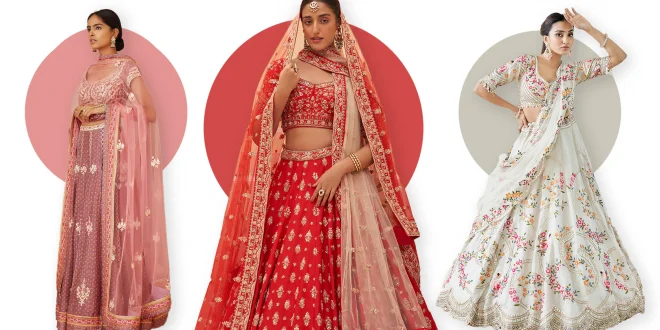
A bridal lehenga is incomplete without the perfect dupatta drape. While the lehenga and blouse set the foundation of the bridal outfit, the dupatta is what truly enhances the overall look. The way a bride drapes her dupatta can transform her entire appearance, adding elegance, grace, and a touch of personal style.
Modern brides today are experimenting with different dupatta draping styles that complement their lehenga designs, jewelry, and wedding themes. From traditional royal drapes to contemporary styles, the right draping technique can highlight the bridal outfit beautifully while making the bride feel confident and comfortable.
Here are some stunning bridal dupatta draping styles that can elevate every lehenga look.
1. Classic Head Dupatta with Front Drape
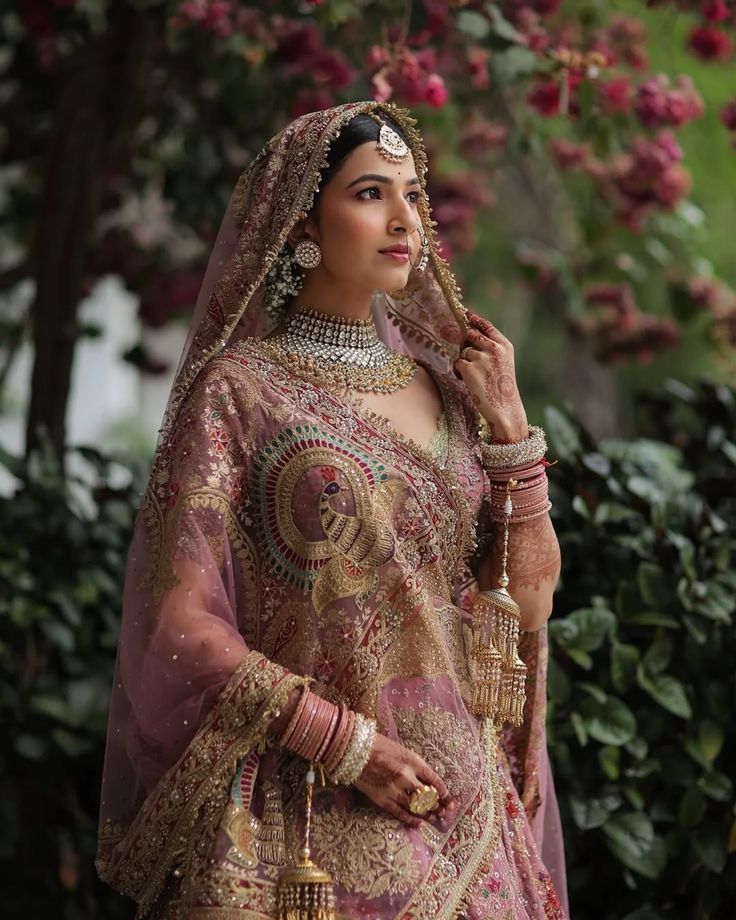
This is one of the most traditional and timeless dupatta draping styles. The dupatta is placed over the bride’s head and pinned neatly on one shoulder or across the front.
This drape creates a graceful and modest bridal appearance, making it perfect for traditional wedding ceremonies. It also beautifully frames the bride’s face and complements heavy jewelry such as maang tikkas and matha pattis.
2. Double Dupatta Style
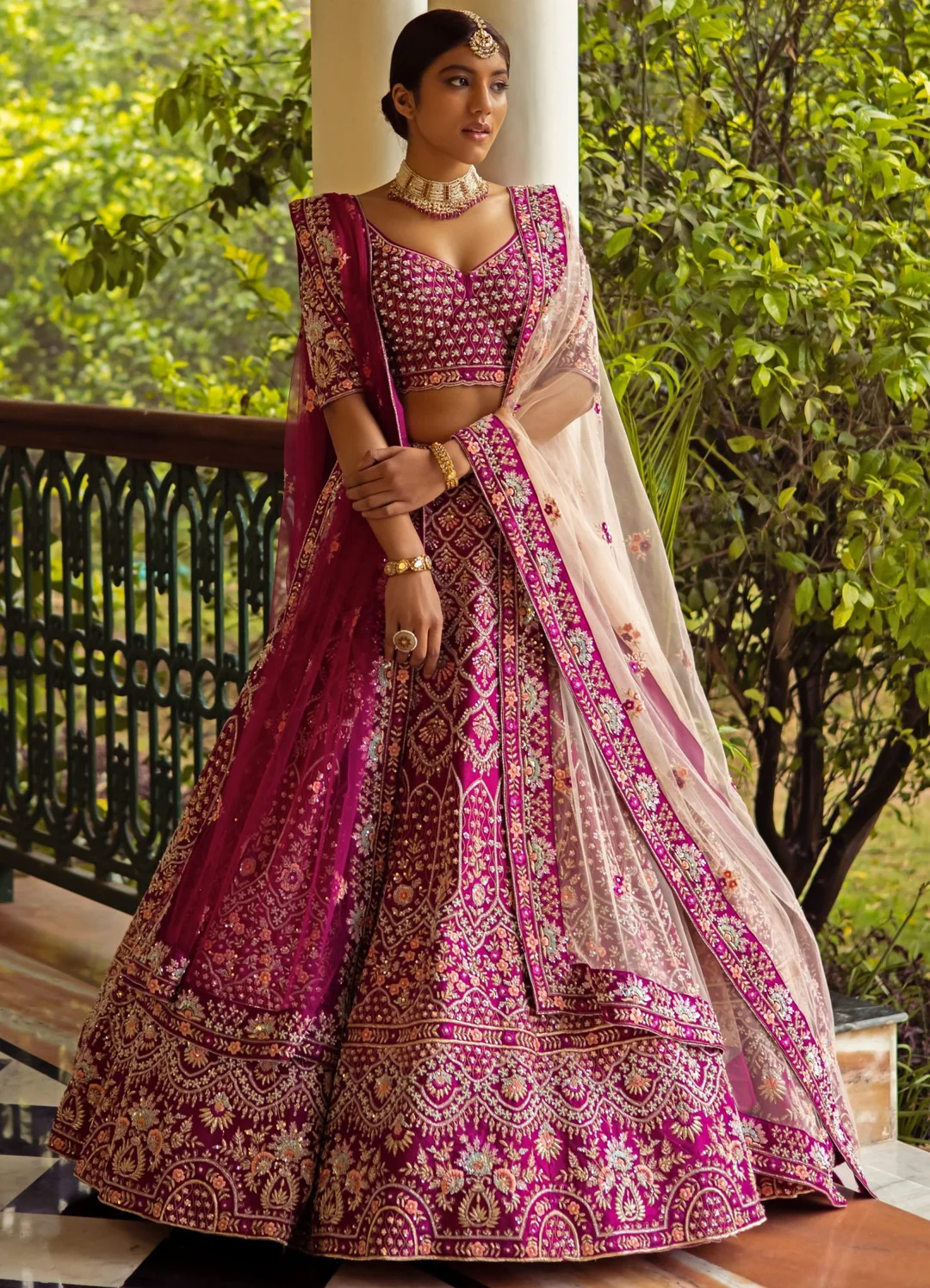
The double dupatta drape has become extremely popular among modern brides. In this style, one dupatta is draped over the head while the second dupatta is styled across the shoulder like a saree pallu.
This style adds volume and richness to the bridal look while allowing brides to play with contrasting colors or fabrics.
3. One-Sided Shoulder Drape
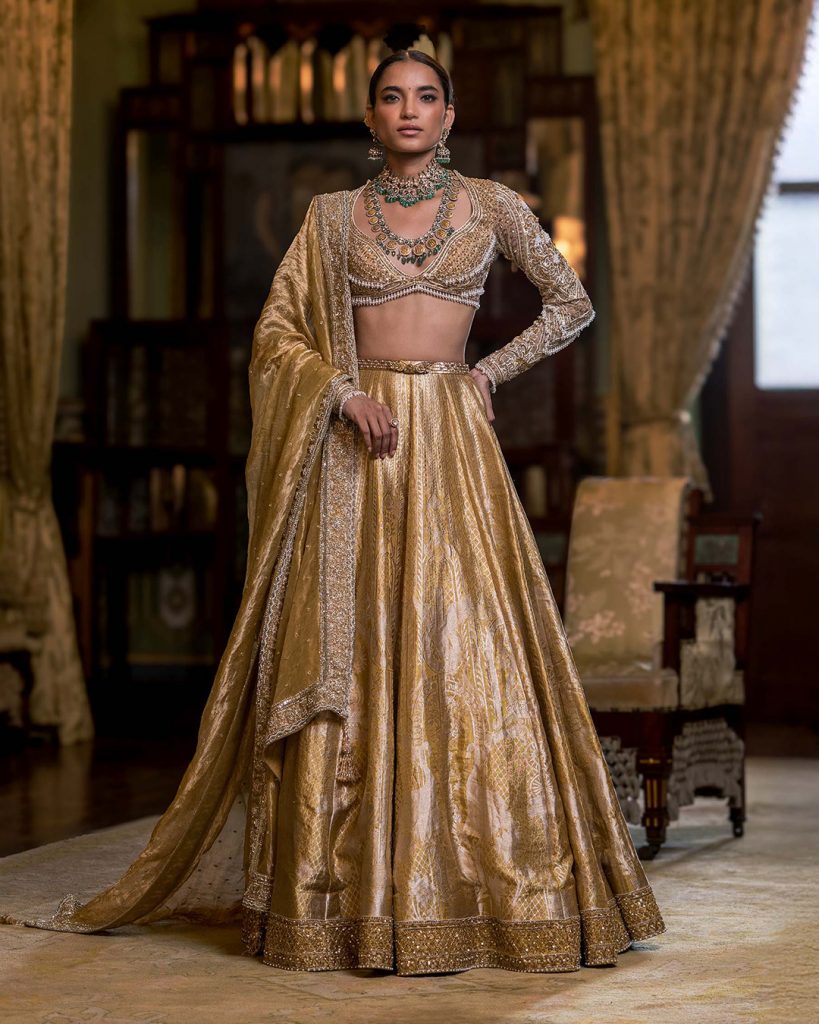
In this elegant style, the dupatta is pinned neatly on one shoulder and allowed to fall gracefully across the front. It resembles the drape of a saree pallu and creates a sophisticated look.
This draping style is ideal for brides who want to highlight the detailed embroidery of their lehenga blouse.
4. Belted Dupatta Drape
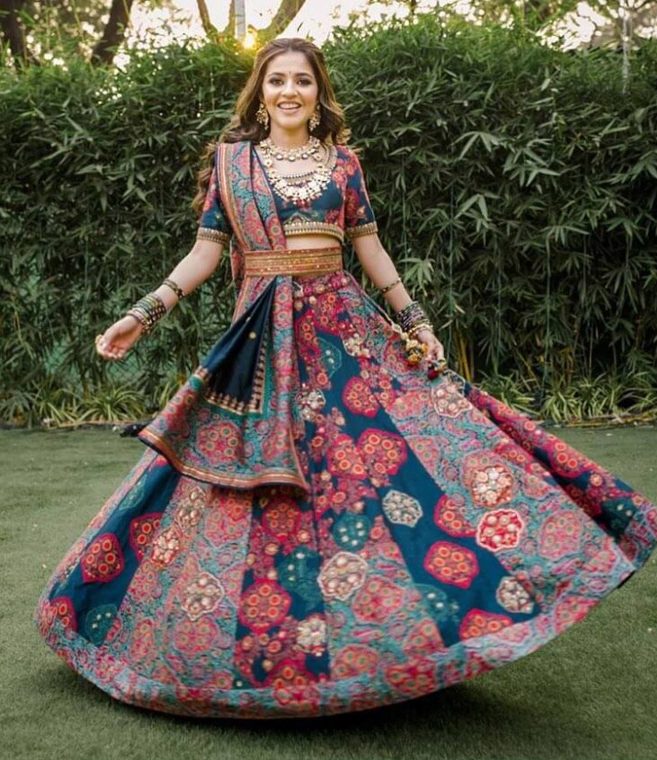
Belted dupatta drapes are a modern trend that combines fashion with functionality. The dupatta is draped across the body and secured with a decorative belt around the waist.
This style keeps the dupatta in place throughout the ceremony and highlights the bride’s waistline, giving the outfit a structured and contemporary look.
5. Cape Style Dupatta
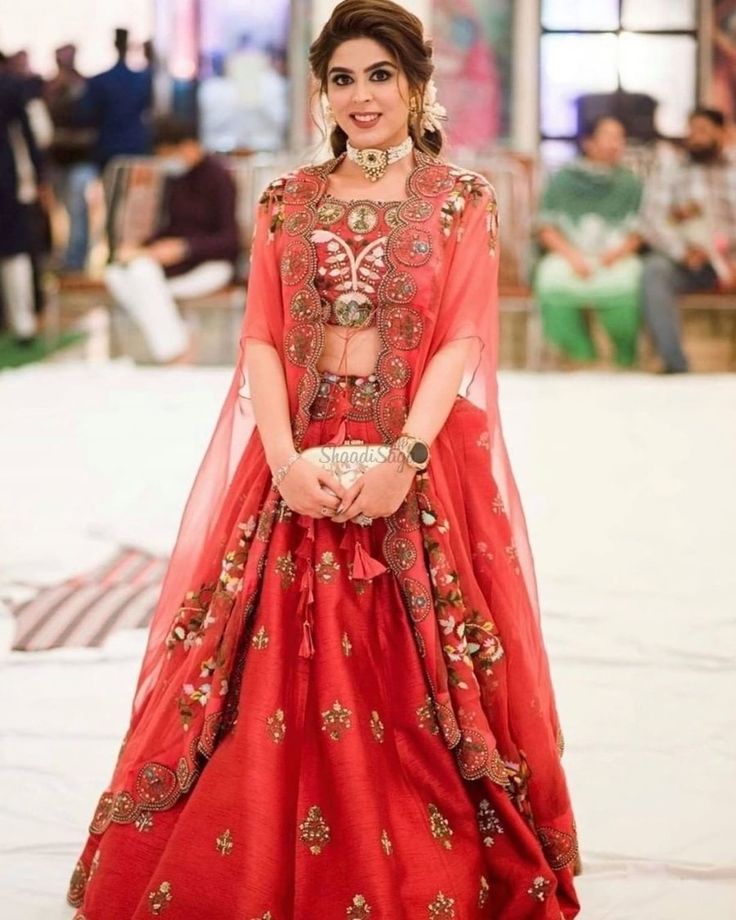
The cape-style drape is a modern and stylish choice for brides who want something unique. In this style, the dupatta is draped over both shoulders like a cape.
It works beautifully with lightweight dupattas and adds a fashion-forward element to the bridal outfit.
6. Gujarati Style Dupatta Drape
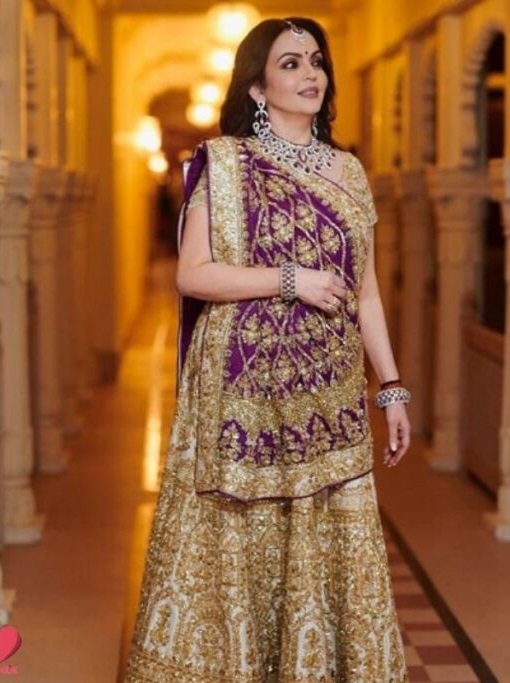
The Gujarati drape is a traditional style where the dupatta is placed over the shoulder and spread across the front of the lehenga.
This drape showcases the detailed embroidery of the dupatta and creates a rich and vibrant bridal look. It is often seen in traditional weddings and festive celebrations.
7. Pleated Front Dupatta Drape
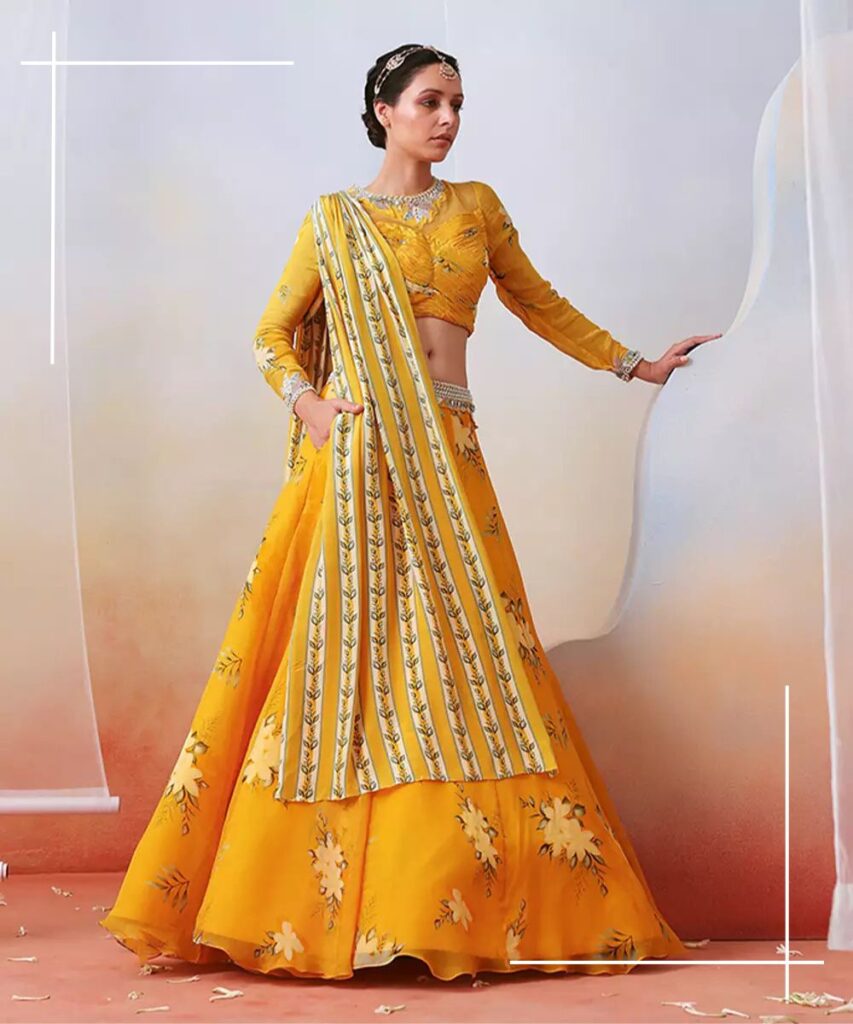
In this style, the dupatta is carefully pleated and pinned neatly across the front of the blouse. The structured pleats create a clean and elegant look.
This draping technique is ideal for brides who prefer a polished and well-organized outfit style.
8. V-Shape Dupatta Drape
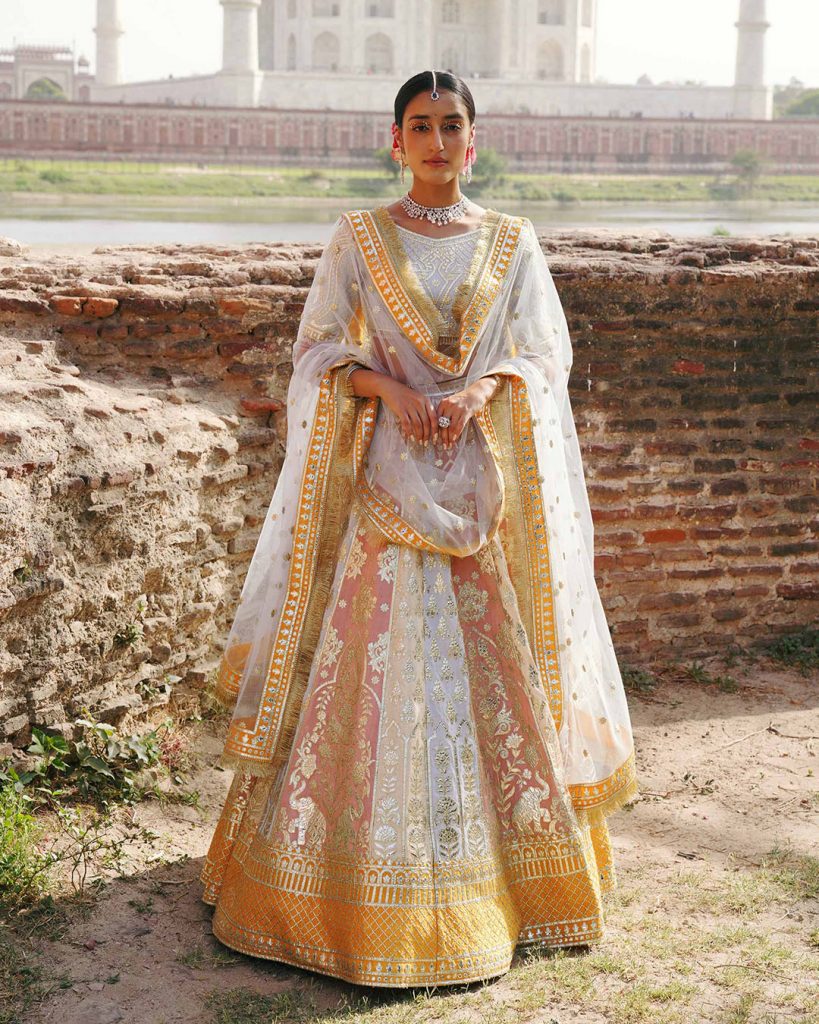
The V-shape drape is created by pinning the dupatta on both shoulders so it forms a V shape at the front. This style highlights the blouse design and adds symmetry to the bridal look.
It works particularly well with heavily embroidered lehengas.
9. Side Waist Dupatta Drape
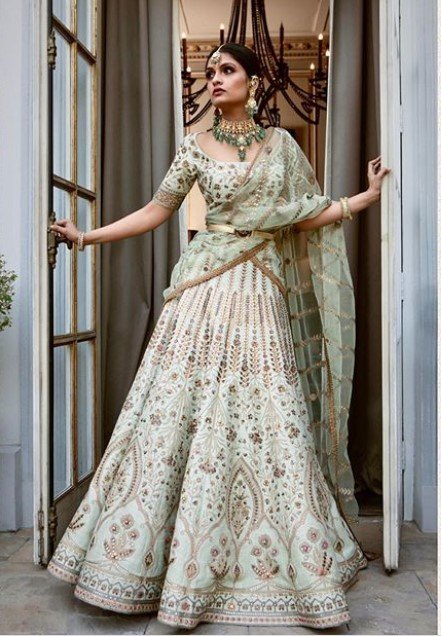
In this modern draping style, the dupatta is pinned at one shoulder and secured at the opposite side of the waist.
This creates a flowing, elegant silhouette that looks stunning in bridal photographs and wedding videos.
10. Over-the-Arms Dupatta Drape
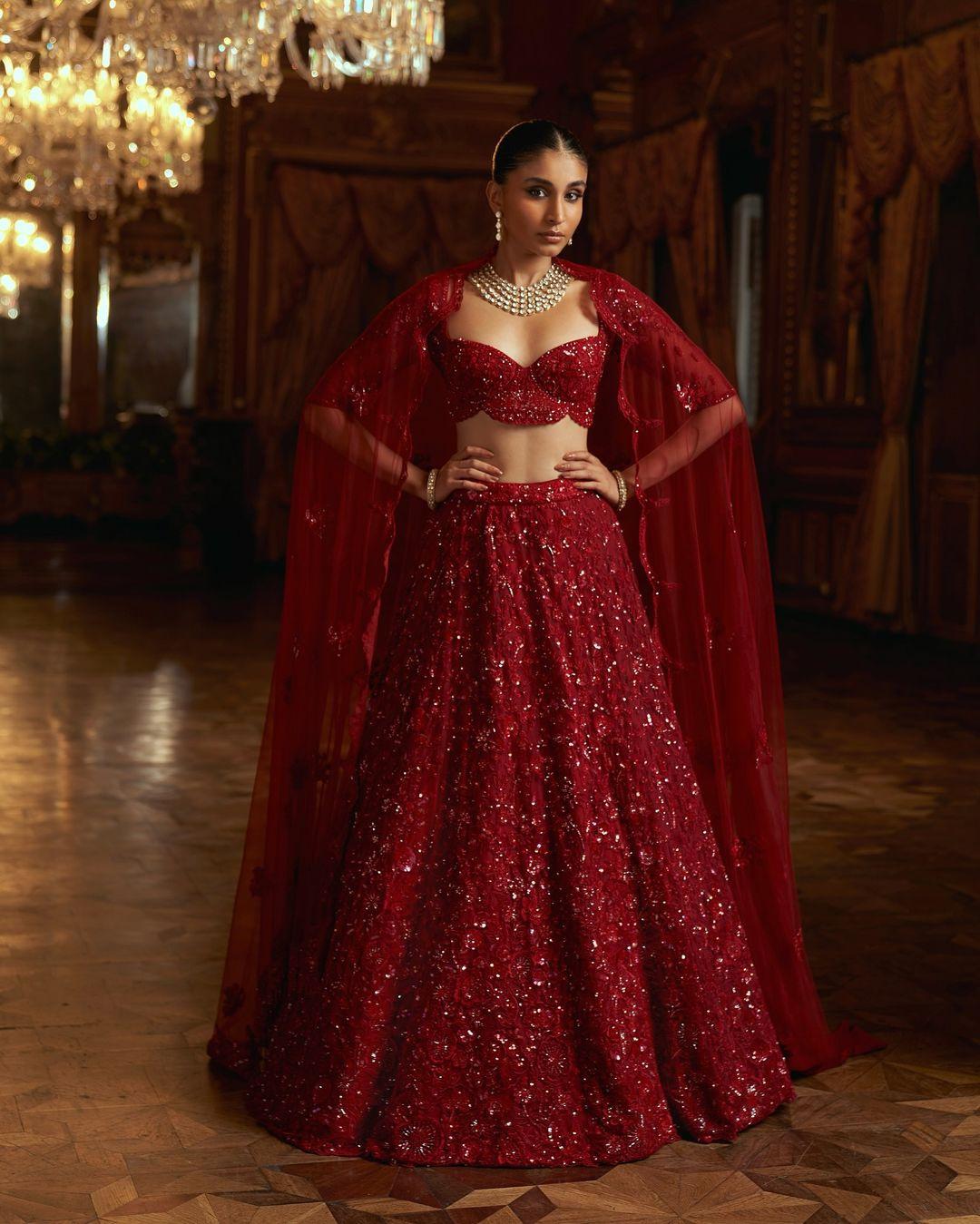
This draping style allows the dupatta to rest gracefully across both arms instead of being pinned to the shoulders.
It gives the bride a regal and relaxed look and is often chosen for reception outfits or pre-wedding functions.
Tips for Choosing the Perfect Dupatta Drape
Selecting the right dupatta drape can make a big difference in your bridal look. Here are some helpful tips:
Consider the lehenga design: Heavy lehengas often pair well with simple drapes, while minimal lehengas allow for more elaborate styles.
Think about comfort: Choose a draping style that stays secure throughout the ceremony.
Coordinate with jewelry: Your dupatta drape should highlight important jewelry pieces like the necklace, choker, or matha patti.
Match the wedding theme: Traditional weddings suit classic drapes, while modern weddings can experiment with contemporary styles.
Elevate Your Bridal Look with the Perfect Dupatta Style
The dupatta is more than just an accessory, it is a key element that completes the bridal look. Whether you prefer a traditional head drape, a modern belted style, or an elegant shoulder drape, the right technique can enhance your lehenga beautifully.
By selecting a draping style that complements your outfit, jewelry, and personality, you can create a bridal look that feels timeless, elegant, and unforgettable.
FAQs
1. Which dupatta drape is most popular for brides?
The double dupatta style and the classic head dupatta drape are among the most popular choices for brides.
2. Can brides use two dupattas with one lehenga?
Yes, many brides use two dupattas to create a layered and royal bridal look.
3. How do I choose the right dupatta drape for my lehenga?
Consider your lehenga design, blouse style, and jewelry to select a drape that highlights the overall outfit.
4. Are belted dupatta drapes comfortable for weddings?
Yes, belted drapes are very practical because they keep the dupatta secure throughout the ceremony.
5. Can dupatta drapes be changed for different wedding functions?
Yes, brides often experiment with different draping styles for mehendi, sangeet, wedding, and reception looks.
Book the best Bridal wear in your city, contact us at venuelook.com/bridal-wear/delhi/vendors
For value-for-money A-Z of wedding planning and decorations, contact us at weddings.venuelook.com
You May Also Like:
- Embrace the Hottest Wedding Trend: Ombre Outfits for the Fashionista Bride
- Indo-Western Wedding Outfit Inspiration for Every Bride-to-Be
- Fabulous Blouse Designs for Every Bride
- Trending Bridesmaid Outfits That Are Perfect For Indian Weddings
- Trendy Outfits to Style Yourself for an Indian Wedding
- Bridal Wear Inspiration From Around The World
- Easy Homemade DIY Masks for Brides To Be
- Bridesmaids Who Set Goals By Coordinating Their Wedding Outfits!
- Charming Indian Wedding Dresses For Brides-Sister
Have you sent out invitations for your upcoming event? If not, save paper and send free online invitations now.

Looking for a party venue? Browse and book best-suited party venues from VenueLook.com