 Event, Party & Wedding Planning Tips & Ideas for Celebrations Party and Event Planning Tips, Resources and Venues
In the highly competitive and fast-paced restaurant industry, mastering digital marketing has become essential not optional. Whether you’re running a fine-dining restaurant, a casual café, a cloud kitchen, or a food truck, building a strong online presence can directly influence your bookings, orders, foot traffic, and customer loyalty.
But where do you start? What tools, platforms, and learning resources can help you not just survive but thrive in the digital ecosystem?
In this comprehensive blog, we explore the best resources for digital marketing in the restaurant space, including tools, platforms, communities, and learning hubs designed to help restaurants grow their online visibility, attract customers, and boost revenue.
Why Digital Marketing Matters for Restaurants
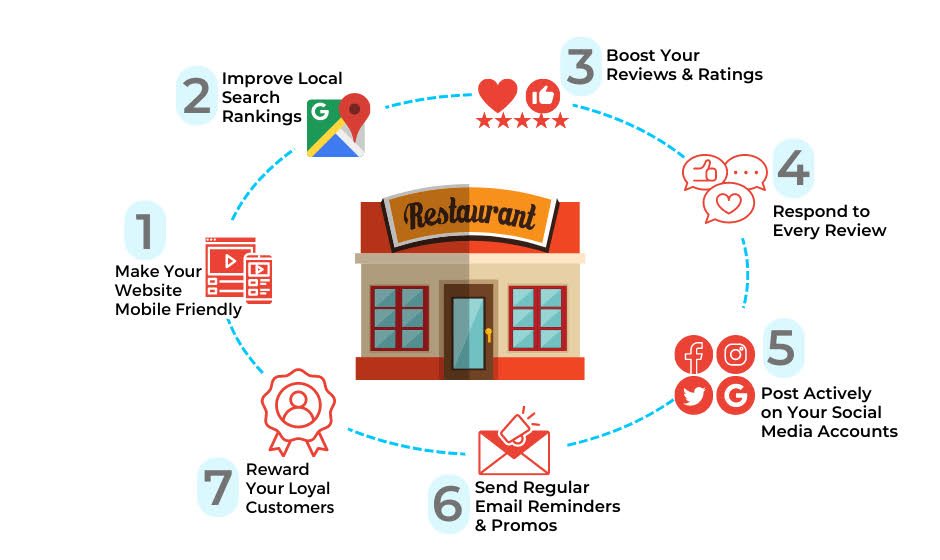
Before diving into the tools and resources, let’s quickly understand why digital marketing is vital for restaurants:
-
Consumers discover new restaurants online. Over 77% of diners check online reviews before choosing a place to eat.
-
Searches like “restaurants near me” are booming. If you’re not listed or ranking, you’re invisible to potential customers.
-
Social media drives dining decisions. A single viral Instagram reel or food influencer post can spike footfall.
-
Online ordering and delivery are now the norm. A strong digital presence supports your listings on platforms like Zomato, Swiggy, or Uber Eats.
Now, let’s look at the resources that can help you build and manage this presence efficiently.
1. Essential Tools for Restaurant Digital Marketing
Google Business Profile (GBP)
One of the most important (and free) tools for local restaurant visibility. This helps your restaurant show up in Google Maps and local search results.
Features:
-
Add menus, photos, and promotions
-
Enable direct messaging and reservations
-
Collect and respond to customer reviews
Tip: Keep your listing updated regularly and respond to reviews to improve rankings.
Canva
A free design tool perfect for creating stunning visuals for social media, menus, ads, and flyers—even if you have no design experience.
Popular uses:
-
Instagram posts and reels
-
Story templates
-
Menu designs
-
Ad banners
Later / Buffer / Hootsuite
These social media scheduling tools allow you to plan, schedule, and track posts across platforms like Instagram, Facebook, and Twitter.
Benefits:
-
Consistent posting leads to better engagement
-
Save time with batch scheduling
-
View analytics to see what works best
Mailchimp / Brevo (formerly Sendinblue)
Email marketing is still one of the highest ROI channels. These platforms help you design email campaigns, newsletters, and automate responses.
Campaign ideas:
-
Weekly specials
-
Event invites
-
Birthday discounts
-
Customer feedback surveys
Toast / Square / Zoho POS + CRM
POS systems like Toast or Square are designed for restaurants and integrate with CRM systems. They track customer preferences, purchase behavior, and loyalty, which can be used for targeted marketing.
2. Social Media and Review Platform Resources
Instagram Business
Turn your Instagram into a business account for insights, ad tools, and call-to-action buttons. Use stories, reels, and geo-tagging to boost reach.
Facebook Pages and Meta Business Suite
Create targeted ad campaigns, track results, and manage messages and reviews. Also useful for running local promotions.
Zomato, Swiggy, TripAdvisor, Yelp
These platforms not only offer delivery but also build your brand visibility via reviews, ratings, and photos.
Tip: Actively manage your listings and encourage happy diners to leave reviews.
WhatsApp Business
Perfect for personalized communication, sending menus, order updates, or promotions directly to loyal customers.
3. Educational Resources and Courses
Google Digital Garage – Digital Marketing Course
Free, beginner-friendly course covering SEO, social media, ads, and analytics. Ideal for restaurateurs new to online marketing.
HubSpot Academy
Offers free video tutorials on inbound marketing, email marketing, and social media for small businesses.
Coursera and Udemy
Platforms like these offer restaurant-focused marketing courses such as:
-
Digital Marketing for Restaurants
-
Restaurant Social Media Marketing 101
-
Food and Beverage Marketing Strategy
Tip: Look for courses with updated content post-2020 to reflect current digital trends.
4. SEO and Website Tools
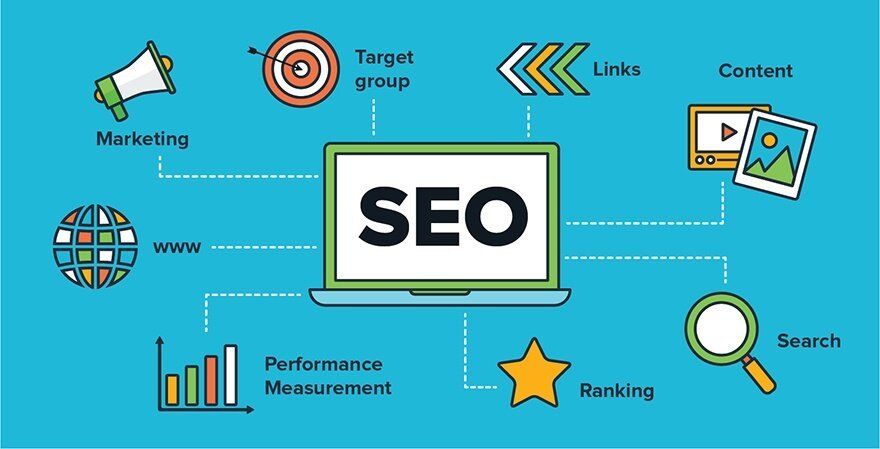
Yoast SEO (for WordPress)
If your website is on WordPress, Yoast helps optimize your blog posts and landing pages with keyword tools, readability checks, and meta description tips.
Google Analytics and Google Search Console
Track traffic sources, user behavior, and the effectiveness of your marketing campaigns. Understand what people search for before landing on your site.
Semrush / Moz / Ubersuggest
Use these tools to:
-
Research keywords like “best pizza in Delhi”
-
Track competitors
-
Monitor rankings
-
Improve local SEO
5. Advertising and Paid Promotions
Google Ads (Search and Display)
Target people searching for restaurants or cuisine types in your area. Ideal for promotions, new launches, or events.
Meta Ads (Instagram and Facebook)
Use detailed targeting by location, interest, and behavior. Promote new dishes, combos, or happy hours to reach potential diners in your neighborhood.
Zomato and Swiggy Sponsored Listings
These platforms offer “Featured” or “Boosted” listings. While paid, they give you front-page exposure during peak order times.
6. Communities and Forums for Restaurant Marketing
Reddit – r/restaurant and r/smallbusiness
Learn from restaurateurs across the world. Ask questions, share tips, or find case studies about what marketing tactics work.
Facebook Groups
Search for groups like:
-
Restaurant Owners Mastermind
-
Food Business Marketing
-
Local SEO for Restaurants
LinkedIn Groups
Great for professional advice, marketing trends, and networking with industry experts.
7. Analytics and Insights Tools
Tracking and adapting your marketing efforts is just as important as launching them.
Must-Have Tools:
-
Google Analytics – Understand who your website visitors are and how they behave
-
Facebook and Instagram Insights – Know which content resonates with your audience
-
POS Reports (like Toast) – Identify best-selling items and peak hours to optimize promotions
Use these insights to refine your strategies and focus your efforts where they yield the best results.
Bonus: All-in-One Restaurant Marketing Platforms
If you prefer an integrated platform, some services offer bundled solutions:
Fishbowl
An all-in-one CRM, email, and SMS marketing tool built for restaurants.
OpenTable for Restaurants
Not just a booking system, it also includes marketing, guest feedback, and analytics.
Eat App
Combines table management with customer data, feedback, and marketing automation.
Conclusion
Digital marketing in the restaurant space is no longer about just creating a Facebook page or putting your menu online. It involves strategic planning, consistent branding, data-driven decisions, and staying updated with the latest digital trends.
The right resources from tools like Google Business Profile and Canva to learning platforms like HubSpot and Coursera can help streamline your efforts and improve your ROI. Whether you’re DIY-ing your digital strategy or working with an agency, these resources will equip you to grow your restaurant’s visibility, attract more diners, and build lasting relationships with your customers.
FAQs
1. What is the best way to promote a new restaurant online?
Start with a Google Business Profile, create social media pages, collaborate with local influencers, run targeted ads, and list your restaurant on Zomato and Swiggy.
2. How much should a restaurant spend on digital marketing?
It depends on your goals and location, but allocating 5–10% of monthly revenue for digital marketing is a healthy starting point.
3. Can I do restaurant digital marketing without hiring an agency?
Absolutely. With tools like Canva, Mailchimp, and scheduling platforms, many restaurant owners successfully manage digital marketing themselves.
4. What type of content works best for restaurants on Instagram?
High-quality food images, behind-the-scenes videos, customer testimonials, user-generated content, and interactive stories (polls, Q&A) tend to perform well.
5. Do online reviews really affect restaurant SEO?
Yes. Google factors in the number, quality, and frequency of reviews when ranking local businesses. Actively collecting and responding to reviews is vital.
Visit www.venuelook.com or call us at +91-8470804805 to start planning your event today.
For A-Z of your wedding and event planning requirements, contact us at Venuelook.com
You May Also Like:
- How Do Restaurants Increase Traffic? Proven Strategies for Attracting More Diners
- Effortless Recipes to Spice up your Next Office Potluck Party
- 10 Easy to mix Cocktail Recipes for Parties
- 10 Easy Salads Recipes For Your House Party
- Pop Up Your Birthday Party with these Great Mocktail Recipes
- Impress Your Guests with 10 Quick Desserts
Have you sent out invitations for your upcoming event? If not, save paper and send free online invitations now.

Looking for a party venue? Browse and book best-suited party venues from VenueLook.com