 Event, Party & Wedding Planning Tips & Ideas for Celebrations Party and Event Planning Tips, Resources and Venues

Planning a corporate seminar or workshop can feel overwhelming, especially when multiple moving parts need to come together seamlessly. From choosing the right venue and arranging catering to ensuring the agenda runs on time, every detail matters. A well-planned seminar not only delivers value to attendees but also reflects the professionalism of your organization.
If you’re looking to host a flawless event that leaves participants engaged and impressed, this step-by-step checklist will help you manage everything efficiently and without the last-minute chaos.
With VenueLook, finding venues and vendors for your seminar or workshop becomes simple, ensuring that you can focus on the experience rather than the stress of planning.
1. Define the Objective and Goals of the Event

Before diving into logistics, start with a clear understanding of what you want to achieve. Is the seminar meant for employee training, a client presentation, or a leadership workshop?
A well-defined objective helps you:
-
Create a targeted agenda
-
Choose the right speakers
-
Select a venue that fits the purpose
-
Ensure the event’s success is measurable
For example, a leadership training workshop may require a quiet setting with breakout spaces, while a product launch seminar might need an auditorium with advanced AV facilities.
2. Set a Realistic Budget

Your budget determines every other aspect of the event, from the venue to the catering. When creating a budget, break it down into key categories such as:
-
Venue rental
-
Catering services
-
AV and technical equipment
-
Marketing and invitations
-
Speaker fees and accommodations
-
Decor and branding materials
-
Contingency funds
Using VenueLook helps you find venues and services that fit your budget, making it easier to stay on track without compromising quality.
3. Choose the Right Venue
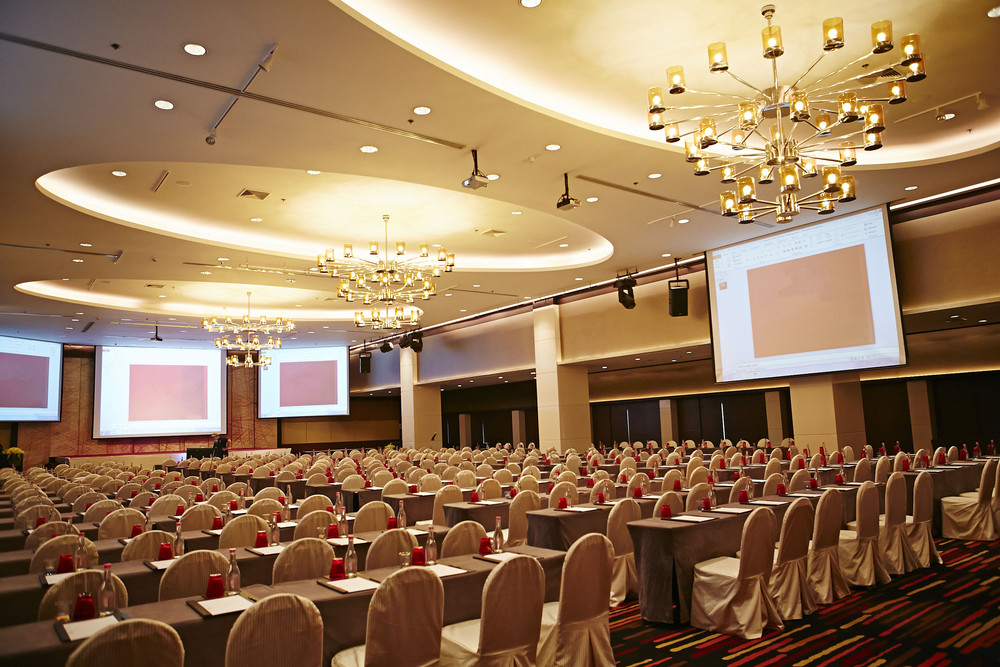
The venue sets the tone for your seminar or workshop. It needs to be convenient, comfortable, and equipped with the facilities you require. Consider:
-
Proximity to public transport or parking spaces
-
Seating capacity and layout flexibility
-
High-speed Wi-Fi and technical support
-
Ambiance that suits your brand and purpose
Platforms like VenueLook allow you to explore a range of corporate venues, from business hotels to conference halls, in your desired location with transparent pricing and reviews.
4. Plan the Event Agenda and Schedule
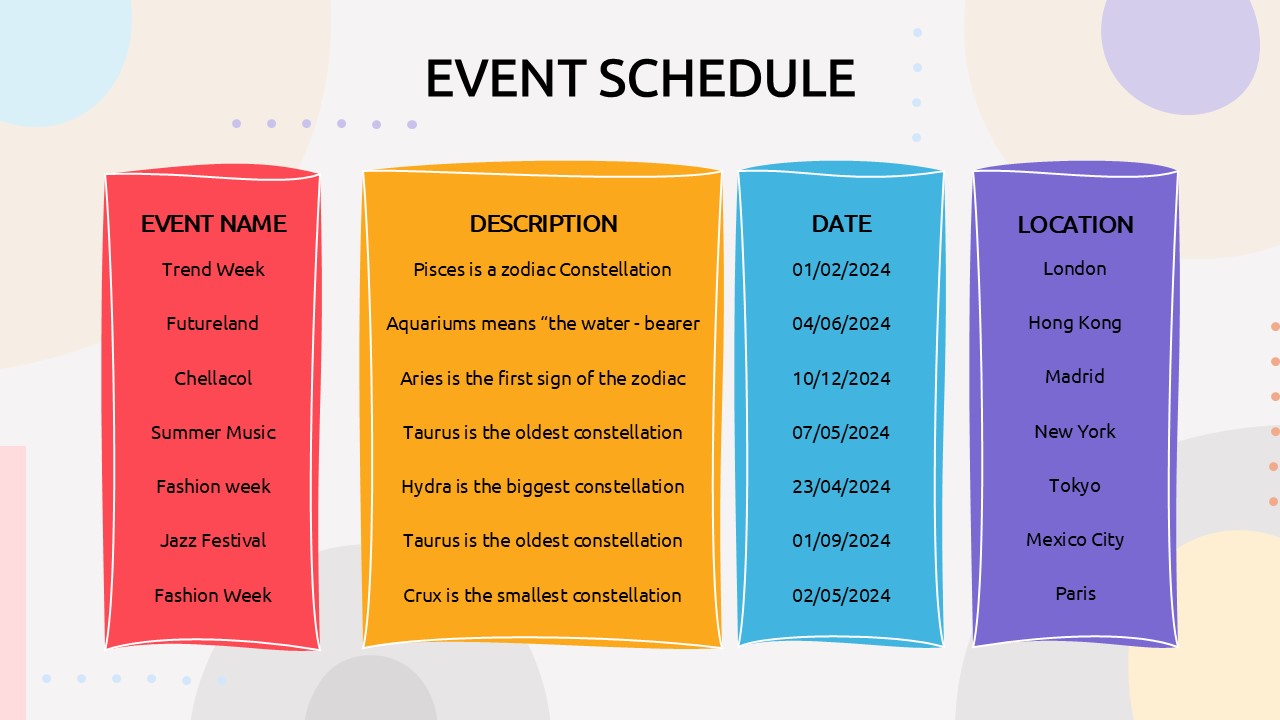
A well-structured agenda ensures that your seminar flows smoothly and keeps attendees engaged. When planning your schedule:
-
Start with registration and a welcome session
-
Include short breaks between sessions
-
Plan for networking opportunities
-
Keep presentations concise and interactive
-
End with a Q&A or feedback session
A clear agenda also helps speakers and participants prepare in advance, ensuring the event feels seamless and organized.
5. Arrange for Quality Catering and Refreshments

Good food keeps attendees energized and focused throughout the event. When choosing a caterer:
-
Opt for a mix of healthy and indulgent options
-
Consider dietary restrictions and preferences
-
Include tea, coffee, and water stations
With VenueLook , you can book trusted catering partners that specialize in corporate events, ensuring your guests are well taken care of.
6. Book Audio-Visual and Technical Support

Modern seminars rely heavily on technology. Ensure you have:
-
Projectors and screens
-
Quality sound systems and microphones
-
High-speed internet
-
Backup power supply
Booking AV support through trusted vendors avoids technical glitches that can disrupt your event.
7. Organize Registration and Invitations
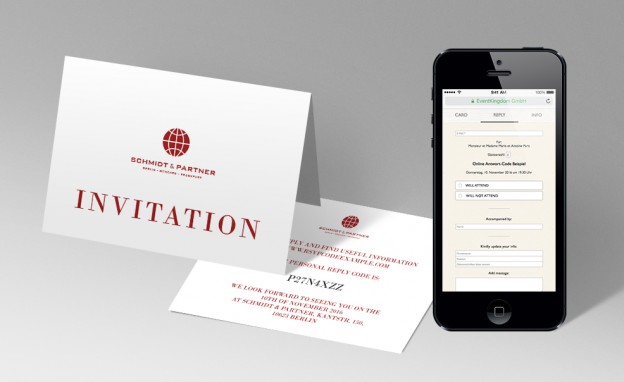
A smooth registration process sets the right tone for your event. Options include:
-
Online pre-registration forms
-
Digital invites and reminders
-
On-site check-in counters or QR code scanning
Well-designed invitations digital or printed, also add a professional touch and help communicate event details clearly.
8. Prepare Engaging Content and Speaker Materials

Your seminar’s success largely depends on how engaging and valuable the content is. Ensure that:
-
Presentations are crisp, visual, and interactive
-
Speakers are well-briefed on the audience’s expectations
-
Handouts, brochures, or digital guides are ready
Providing access to resources post-event also creates lasting value for attendees.
9. Plan for Branding and Event Collateral

Branding enhances the professional feel of your seminar. Consider adding:
-
Branded backdrops and banners
-
Table tents or name tags
-
Customized notepads and pens for attendees
This subtle touch not only creates a strong brand presence but also makes the event more memorable.
10. Coordinate with Vendors and Service Providers
Your vendors are critical partners in making the event a success. Maintain clear communication about timelines, deliverables, and expectations. Confirm all arrangements from the catering schedule to AV setup, at least a week before the event to avoid last-minute hiccups.
Using VenueLook streamlines this process, as you can find and coordinate with multiple vendors in one place.
11. Set Up a Team for On-Site Management

Assign specific roles to team members for tasks such as:
-
Registration and guest assistance
-
Technical coordination
-
Vendor management
-
Timekeeping and agenda management
A well-prepared team ensures smooth operations and gives you the bandwidth to focus on higher-level coordination.
12. Test Everything Before the Event Day

Do a dry run of your event setup at least a day before. Check:
-
Sound and video quality
-
Presentation formats
-
Internet connectivity
-
Seating arrangements
-
Signage and registration desks
This proactive step helps identify and fix potential issues in advance.
13. Create a Backup Plan for Emergencies
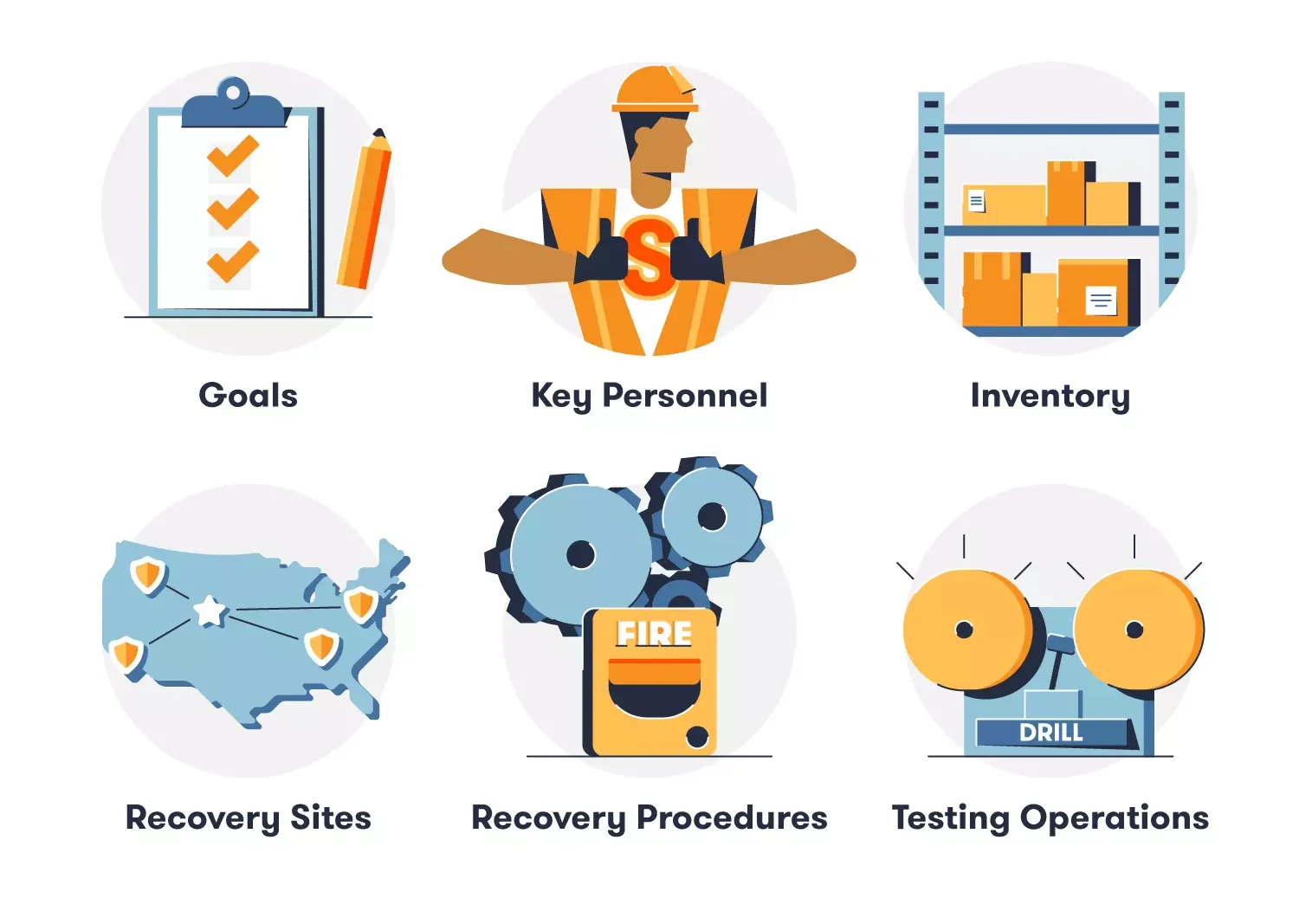
Unforeseen issues can arise, from power outages to last-minute speaker cancellations. Have a contingency plan ready by:
-
Keeping backup AV equipment
-
Preparing an alternate speaker or facilitator
-
Arranging for extra staff or volunteers
A well-prepared backup plan keeps your event stress-free even when challenges arise.
14. Collect Feedback After the Event

Post-event feedback is crucial for improving future seminars and workshops. Collect responses through:
-
Online surveys
-
Feedback forms handed out at the venue
-
Quick polls during closing sessions
Analyze the feedback to understand what worked well and where you can improve.
15. Analyze the Event’s Success and Follow Up

Measure your event’s success by comparing it against your goals. Metrics could include:
-
Attendance numbers
-
Participant engagement levels
-
ROI from leads or networking
-
Feedback scores
Follow up with thank-you emails and share post-event resources or presentations. This keeps attendees connected and strengthens your brand reputation.
How VenueLook Simplifies Your Corporate Event Planning

VenueLook is your one-stop platform for finding corporate venues, catering partners, decorators, and other vendors. Whether you’re planning an intimate workshop or a large seminar, VenueLook helps you:
-
Compare multiple venues in your budget
-
Book reliable vendors with reviews and ratings
-
Save time with streamlined coordination
By using VenueLook, you can focus on creating an engaging experience while leaving the heavy lifting of vendor management to the platform.
Conclusion
A corporate seminar or workshop doesn’t have to be stressful. With the right planning and reliable partners like VenueLook, you can host a seamless event that delivers value, engages your audience, and reflects your brand’s professionalism. Use this checklist to stay organized, anticipate challenges, and ensure your seminar is a success from start to finish.
FAQs
Q1. How far in advance should I plan a corporate seminar?
Ideally, start planning at least 2-3 months in advance. This allows enough time for venue booking, vendor coordination, and effective marketing.
Q2. How do I choose the right venue for a workshop?
Consider factors like location, seating capacity, technical facilities, and budget. Platforms like VenueLook make it easy to compare options and find the perfect fit.
Q3. What should I include in the event agenda?
Include a welcome session, presentations or workshops, breaks for networking, and a closing feedback session to ensure the event is balanced and engaging.
Q4. How can I make my seminar interactive?
Incorporate Q&A sessions, polls, live discussions, or small group activities to keep attendees actively engaged throughout the event.
Q5. Can VenueLook help with vendors for corporate seminars?
Yes, VenueLook provides access to a wide range of vendors including caterers, decorators, and AV providers, simplifying the planning process for your event.